 4.76
4.76
 4.60
4.60
 4.60
4.60 Carex Testacea or Orange New Zealand Sedge
vergreen Ornamental Grass to 60 cm Tall

1. Add items to basket
2. Go to the basket
3. Enter your postcode in Delivery Price Check
Pot size: 2 Litres
Plant ID: 16755 91
Plant variety: Prairie Fire
Pot size: 2 Litres
Plant ID: 16756 91
Plant variety: Prairie Fire
Pot size: 7.5 Litres
Plant ID: 16757 91
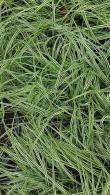
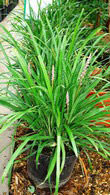
Carex Testacea, commonly known as Orange New Zealand Sedge, is a graceful evergreen ornamental grass grown for its fine, arching foliage and beautiful seasonal colour. Forming a neat fountain-shaped clump, the slender leaves are olive-green through summer before developing increasingly rich shades of copper, bronze and orange as temperatures fall. The result is a wonderfully warm display that provides colour and movement throughout autumn and winter. Hardy, versatile and relatively low maintenance, Carex Testacea is ideal for borders, gravel gardens, containers and naturalistic planting, where its flowing foliage can be appreciated throughout the year.
Carex Testacea is an evergreen sedge rather than a true grass, belonging to the Cyperaceae family. It forms a dense tuft of exceptionally fine, narrow leaves that arch gracefully outwards, creating a soft fountain of foliage. This flowing habit gives Orange New Zealand Sedge plenty of movement and makes it particularly effective where the leaves can spill naturally over the edge of a border, path or container.
Colour is the defining feature of Carex Testacea. During summer the foliage is predominantly olive-green, already carrying subtle bronze and orange tones. As the season progresses and temperatures become cooler, these warm colours intensify, eventually creating a striking mixture of coppery-orange, bronze and green.
Small brown flower spikes are produced amongst the foliage during summer. Although the flowers themselves are insignificant compared with the leaves, their stems gradually droop as they mature, complementing the naturally arching form of the plant and adding another layer of texture.
Native to New Zealand, Carex Testacea combines particularly well with contemporary and naturalistic planting because its colour comes from the foliage rather than a short flowering season. Its evergreen habit means the plant continues to contribute structure when many herbaceous perennials have disappeared underground for winter.
For gardeners considering other copper-toned ornamental grasses, Carex Testacea offers a more compact alternative to Anemanthele Lessoniana (Pheasant's Tail Grass). While Anemanthele eventually develops into a larger, flowing mound around 1 metre high and wide, Carex Testacea generally remains around 40–60 cm, making it particularly useful towards the front of borders, beside paths and in smaller planting spaces. Both provide attractive movement and warm seasonal colour, but the smaller scale and finer habit of Carex Testacea make it easier to incorporate where space is limited.
For companion planting, Orange New Zealand Sedge works particularly well with purple-leaved Heuchera and blue-green or silver-foliaged plants, where the contrasting colours emphasise its copper-orange leaves. It can also be combined with upright architectural perennials to contrast with the soft, cascading shape of the Carex.
Height and Spread of Carex Testacea
Carex Testacea is a low-growing grass. It typically grows to just 40–60 cm tall, gradually forming an arching clump of a similar width. Mature plants generally develop within two to five years. Its growth remains tufted and clump-forming rather than aggressively spreading, making Orange New Zealand Sedge easy to position amongst other plants without overwhelming them.
How Hardy is Carex Testacea?
Carex Testacea is hardy in most parts of the UK even during severe winters, although a sheltered position is preferable and excessive winter wet should be avoided.
Orange New Zealand Sedge grows in full sun or partial shade in fertile, moist but well-drained or well-drained soil. It tolerates a broad range of soil types and pH levels provided drainage is adequate. Avoid extremes of prolonged waterlogging and severe drought.
For the strongest bronze and orange foliage colour, choose a position with plenty of light. Sunny conditions help bring out the characteristic warm tones for which Carex Testacea is particularly valued.
Uses in Garden and Landscape
Carex Testacea is particularly effective where year-round foliage, movement and texture are required. Its compact fountain shape works beautifully along paths and at the front of borders, while the fine leaves soften the edges of paving, gravel and other hard landscaping.
The warm colouring of Orange New Zealand Sedge makes it especially valuable for autumn and winter planting schemes. Copper and bronze foliage can be repeated through a border to create rhythm, or contrasted against darker evergreen shrubs, silver foliage and stone.
Carex Testacea is equally suited to gravel gardens, prairie-style and naturalistic planting, cottage gardens, banks and slopes, coastal gardens and containers. As an Evergreen Ornamental Grass, it is particularly useful in mixed perennial planting because its foliage remains after neighbouring herbaceous plants have died back, maintaining structure and colour through the quieter months.
Care Tips
Carex Testacea is straightforward to grow and requires little routine maintenance once established. Plant in fertile, well-drained soil and water regularly during the first growing season while its root system develops. Once established, maintain reasonable moisture during prolonged dry periods but avoid waterlogged conditions, especially in winter.
Because Orange New Zealand Sedge is evergreen, it should not routinely be cut completely to the ground like a deciduous ornamental grass. Instead, remove individual dead or damaged leaves to keep the clump looking fresh.
Established clumps can be divided in early summer if required. Otherwise, Carex Testacea can largely be left to develop its naturally flowing shape, making it an excellent choice where colourful year-round planting is wanted without intensive maintenance.