 4.76
4.76
 4.60
4.60
 4.60
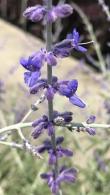
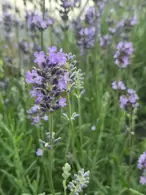
4.60 Nepeta Racemosa or Catmint
Hardy Perennial with Fragrant Foliage & Long Lasting Blue Flower Spikes

1. Add items to basket
2. Go to the basket
3. Enter your postcode in Delivery Price Check
Plant variety: Kit Cat
Pot size: 2 Litres
Plant ID: 16738 91
Plant variety: Grog
Pot size: 2 Litres
Plant ID: 16739 91
Plant variety: Six Hills Giant
Pot size: 2 Litres
Plant ID: 16740 91
Plant variety: Walker's Low
Plant ID: 16741 91
Plant variety: faassenii 'Snowflake'
Pot size: 2 Litres
Plant ID: 16742 91
Plant variety: faassenii 'Purrsian Blue'
Plant ID: 16743 91

Nepeta Racemosa, commonly known as Catmint or Dwarf Catmint, is a hardy, low-maintenance perennial with aromatic foliage and a long-lasting display of blue to violet-blue flowers. Forming neat, spreading mounds of grey-green leaves, Catmint produces masses of flower spikes from late spring into summer, with further flowers often developing if plants are trimmed after the first flush. Easy to grow and perfect for pollinators, Nepeta Racemosa is an excellent choice for sunny borders, edging, gravel gardens and informal planting. There are several attractive Catmint Varieties available, offering differences in flower colour, height and habit while retaining the easy-going character that makes Nepeta such a useful garden perennial.
Nepeta Racemosa is a compact herbaceous perennial with a naturally bushy, spreading habit. The softly textured grey-green leaves are aromatic, releasing their distinctive fragrance when touched or brushed against, making Catmint particularly effective beside paths and at the front of borders. From late spring onwards, slender stems rise above the foliage carrying numerous small, tubular, two-lipped flowers, usually in shades of blue, lavender or violet. Different Catmint Varieties can vary in the depth of flower colour and their overall size, allowing plants to be selected for everything from low edging to more substantial border planting.
The long flowering season is one of the great attractions of Nepeta Racemosa. Once the first major display begins to fade, cutting back the spent flower stems helps maintain a compact shape and can stimulate another flush of flowers later in the season. The blooms are particularly attractive to bees and other pollinating insects, making Catmint valuable in wildlife-friendly gardens as well as ornamental planting schemes.
Nepeta Racemosa originates from western Asia, with a natural range extending from eastern Türkiye through the Caucasus to north-western Iran. The older botanical name Nepeta Mussinii is still encountered in horticulture and refers to the same species.
For companion planting, Catmint is particularly effective around roses, where its low mounds of aromatic foliage cover bare ground beneath taller plants and its blue flowers provide a classic contrast to pink, white, apricot and red blooms. It also combines beautifully with ornamental Alliums, whose strong upright flower heads rise above the softer, spreading Nepeta foliage.
Height and Spread of Nepeta Racemosa
As several Catmint Varieties are featured on this page, eventual dimensions will depend on the variety selected. Nepeta Racemosa itself is generally a compact plant, with mature height and spread usually falling within the 0.1–0.5 metre range. Most form low, spreading clumps, although individual cultivars differ in vigour and habit. Check the individual variety and plant size for more specific dimensions.
How Hardy is Nepeta Racemosa?
Nepeta Racemosa is exceptionally hardy and well suited to UK gardens. It performs best in well-drained soil and is happy in full sun or partial shade, although a sunny position generally encourages abundant flowering and compact growth. Once established, Catmint copes particularly well with relatively dry conditions, while prolonged winter waterlogging is best avoided. It is tolerant of a wide range of soil pH and can be grown successfully in a variety of garden soils provided drainage is adequate.
Uses in Garden and Landscape
Few hardy perennials are as versatile as Catmint. Its spreading habit makes it excellent for softening the front of herbaceous and mixed borders, edging paths, filling gaps between larger plants and creating informal ground cover. Catmint Varieties are particularly at home in cottage gardens, wildlife gardens and relaxed naturalistic planting, while their tolerance of sunny, well-drained positions also makes them useful in gravel and Mediterranean-style schemes.
Nepeta Racemosa works especially well where a continuous ribbon of foliage and flower is required. Repeated along a pathway or border edge, the plants gradually form attractive mounds that help link neighbouring plants together. More compact Catmint Varieties can also be grown in containers and smaller gardens. The long flowering period and nectar-rich blooms make Nepeta an especially worthwhile addition where encouraging bees and other pollinators is a priority.
Care Tips
Catmint is an undemanding perennial once established. Plant Nepeta Racemosa in well-drained soil and water regularly during its first growing season while the root system develops. Established plants generally require relatively little watering, and overly rich soil or excessive feeding can encourage softer, less compact growth.
After the first main flowering, trim back faded stems to tidy the plant and encourage fresh foliage and a possible second flush of flowers. Established plants can also be divided in spring or autumn to propagate plants or rejuvenate older, congested clumps. Plants die back naturally over winter before producing fresh growth in spring.