 4.76
4.76
 4.60
4.60
 4.60
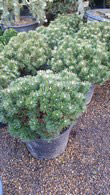
4.60 Pinus Parviflora Shizukagoten or Japanese White Pine Shizukago
Dwarf Conifer with Blue Green Needles & Twisted Branches

1. Add items to basket
2. Go to the basket
3. Enter your postcode in Delivery Price Check
Rootball - supplied without a pot
Plant ID: 15975 12
PRE-ORDER
Pay to pre-order this plant for delivery estimated by 31.10.2026
Pinus Parviflora Shizukagoten, commonly known as Japanese White Pine Shizukagoten, is a compact and elegant dwarf conifer valued for its refined form and soft, blue-green foliage. This slow-growing conifer develops a graceful upright habit, making it an excellent choice for smaller gardens or for use as a feature specimen in rockeries and Japanese-style landscapes.
Japanese White Pine Shizukagoten is a slow-growing and densely branched variety of Pinus Parviflora that maintains a neat, upright shape throughout its life. The needles are short, slightly twisted, and display a distinctive blue-green tone that softens the plant’s overall appearance. Over time, Shizukagoten forms a compact mound that gradually becomes more structured, offering year-round texture and colour.
Compared to other Pinus Parviflora varieties such as Tempelhof, Shizukagoten remains notably smaller and more refined in growth. While Tempelhof tends to produce a broader, more spreading habit with longer needles, Shizukagoten is distinctly upright and compact. This makes it particularly suited for gardens where space is at a premium, or for planting in containers where its delicate structure can be fully appreciated.
This pine pairs beautifully with other small conifers, dwarf maples, heathers, and ornamental grasses. Its blue-green needles provide a gentle contrast against plants with burgundy or gold foliage, creating visual harmony across the seasons.
Height and Spread of Japanese White Pine Shizuka Goten
Pinus Parviflora Shizukagoten typically reaches a height of around 1 metre with a spread of approximately 0.5 metres in ten years. Growth is very slow, maintaining an attractive, well-balanced shape with minimal pruning.
How Hardy is Pinus Parviflora Shizukagoten?
This Japanese White Pine is hardy throughout the UK and tolerates cold conditions very well once established. It performs best in full sun and appreciates a well-drained soil. As with many dwarf pines, it does not thrive in waterlogged ground but is resilient to frost and wind when planted in a sheltered position.
Uses in Garden and Landscape:
Pinus Parviflora Shizukagoten is an ideal conifer for small gardens, courtyards, rock gardens, or Japanese-style plantings. Its naturally compact form and slow growth rate make it equally suited for container growing on terraces or patios. In mixed borders, it provides evergreen structure and subtle colour contrast, especially when combined with Acer Palmatum varieties, dwarf Rhododendrons, or heathers.
Because of its elegant shape and tidy growth habit, Shizukagoten is often used as a focal point in minimalist planting schemes or as a companion to plants that display strong seasonal interest, such as spring-flowering shrubs or autumn-coloured foliage.
Care Tips
This variety of Japanese White Pine prefers full sun and well-drained soil. Avoid heavy clay or overly wet conditions. Minimal pruning is required—simply remove any dead or damaged shoots to maintain shape. Water regularly during the first growing season to help establish the root system, and apply a balanced slow-release fertiliser in spring. In containers, ensure good drainage and refresh the top layer of compost annually.