 4.76
4.76
 4.60
4.60
 4.60
4.60 Pinus Densiflora Oculus-Draconis Dragon-Eye Pine
Slow Growing Conifer with Two-Tone Foliage Colour & Asymmetrical Shape

1. Add items to basket
2. Go to the basket
3. Enter your postcode in Delivery Price Check
Rootball - supplied without a pot
Plant ID: 15970 12
PRE-ORDER
Pay to pre-order this plant for delivery estimated by 31.10.2026
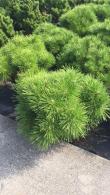
Pinus Densiflora Oculus-Draconis, commonly known as the Dragon-Eye Pine also Japanese Red Pine, is a striking ornamental conifer prized for its unusual variegated needles and distinctive character. This slow-growing pine develops an irregular, asymmetrical form, giving it a sculptural quality that adds year-round interest to the garden. The Dragon-Eye Pine stands out for its two-toned needles, each one marked with alternating yellow and green bands that create a unique striped effect. Combined with its reddish bark and decorative cones, this variety is both elegant and visually captivating.
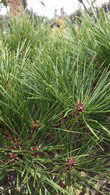
Dragon-Eye Pine is a special cultivar of the Japanese Red Pine, known for its unique “dragon’s eye” variegation that appears most prominently on the new season’s growth. Each needle displays two yellow stripes against a central band of green, producing a luminous, eye-catching pattern when viewed from a distance. The needles are arranged in pairs, forming soft tufts that shimmer in sunlight.
The tree’s reddish bark peels attractively with age, providing additional texture and contrast throughout the year. Its growth habit is naturally irregular, creating a distinctive, architectural silhouette that changes with time. This makes Pinus Densiflora Oculus-Draconis a living sculpture in the landscape. Its distinctive foliage pairs beautifully with other conifers such as Pinus Mugo or Picea Pungens varieties, and it offers a vivid contrast when planted alongside Japanese Maples or evergreen shrubs with darker foliage.
Height and Spread of Pinus Densiflora Oculus-Draconis:
This slow-growing pine typically reaches around 3 to 4 metres in height and up to 2.5 metres in spread after 10 to 15 years. Its growth rate is moderate to slow, making it a manageable choice for smaller gardens, specimen planting, or as part of a mixed conifer border.
How Hardy is Pinus Densiflora Oculus-Draconis?
Pinus Densiflora Oculus-Draconis is fully hardy in the UK and tolerates cold winters with ease. It thrives in full sun, which helps enhance the colour definition in its striped needles. It will also tolerate light partial shade, though too much shade may dull the needle variegation. This pine prefers well-drained, slightly acidic to neutral soil and dislikes heavy or waterlogged conditions. It is wind tolerant once established, but a sheltered position will best preserve the variegation and protect new growth from desiccation.
Uses in Garden and Landscape:
Dragon-Eye Pine is a beautiful choice for gardens where form and foliage colour are key design features. It makes a superb focal point in a lawn or border, and its distinctive texture and variegation bring contrast to planting schemes dominated by green conifers or evergreen shrubs. It also works well in Japanese-inspired gardens or as part of a mixed conifer display, where its golden-striped needles can brighten the overall composition.
Pinus Densiflora Oculus-Draconis is equally effective when underplanted with low-growing heathers, dwarf junipers, or ornamental grasses, which highlight its unusual form and enhance its visual impact through every season.
Care Tips:
Pinus Densiflora Oculus-Draconis is relatively easy to care for once established. Plant in full sun for best colour and in soil that drains freely. Avoid overly rich fertilisers, which can encourage excessive soft growth and reduce colour contrast. Water regularly during dry spells in the first year after planting to ensure proper establishment. Pruning is rarely required, but light shaping can be done in late spring to guide form or remove any damaged growth. A layer of mulch around the base helps to retain moisture and regulate root temperature, supporting steady growth and strong foliage colour.