Start With Height
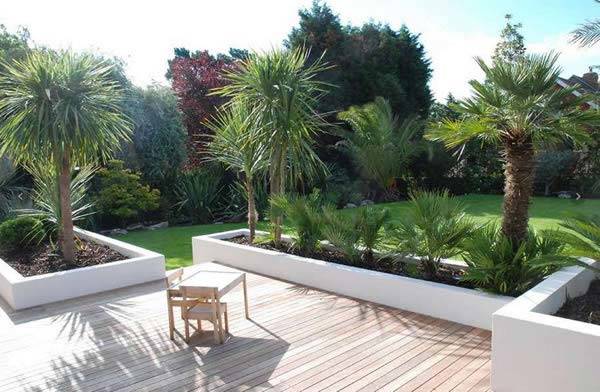
One of the biggest differences between a young garden and a mature garden is height.
New gardens are often dominated by plants all at roughly the same level. Introducing trees immediately changes the proportions of the space, drawing the eye upwards and creating the impression that the garden has been developing for much longer.
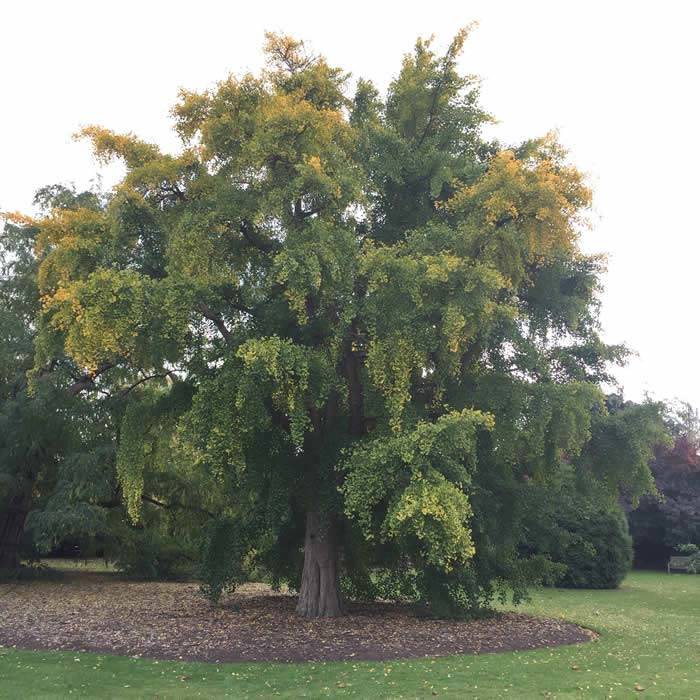
A well-positioned specimen tree can become the focal point around which the rest of the planting develops. Multi-stem trees are particularly effective because their branching structure creates instant architectural interest without necessarily overwhelming the garden.
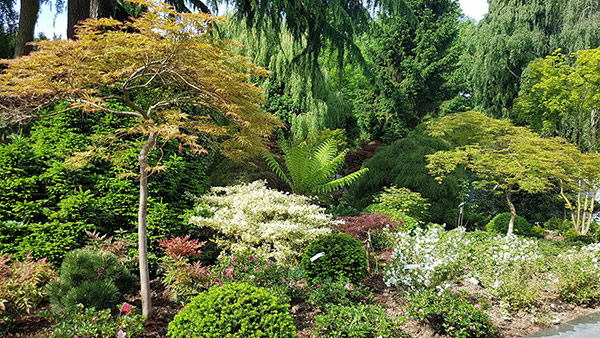
Rather than filling the garden with numerous smaller plants, consider investing in one or two larger tree specimens with the aim of planting these in prominent positions. A mature olive tree, a 40 year old Japanese maple tree, a silver birch multi-stem or an ornamental flowering tree - such as the Paul's Scarlet variety of Hawthorn - can transform the atmosphere of a garden almost immediately.
Create a Strong Evergreen Framework
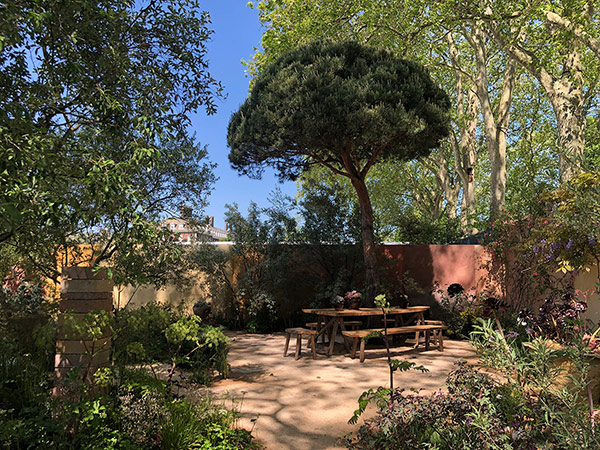
Mature gardens tend to have an underlying structure that remains visible throughout the year.
Evergreen shrubs and trees are particularly useful for creating this framework. They provide shape and volume during winter while also forming a backdrop for flowering plants and seasonal colour.
Yew, holly, Portuguese laurel, Pittosporum and evergreen Viburnum are examples of plants that can create substantial structure. Carefully positioned topiary can also introduce definition and help give a new garden a sense of permanence.
The aim is not to make everything evergreen. Instead, use evergreen plants as the backbone of the design and allow deciduous shrubs, perennials and ornamental grasses to provide changing colour and texture around them.
Use Mature Hedging to Establish Boundaries
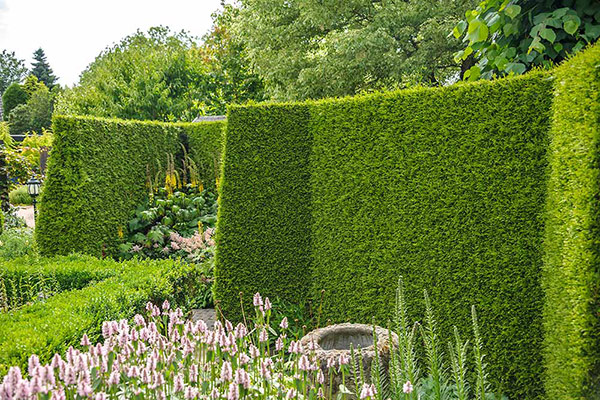
Nothing makes a garden feel unfinished quite like bare fencing.
Young hedging plants will eventually soften boundaries, but establishing a substantial hedge can take several years. Using larger or mature hedging plants can dramatically shorten that process.
An established hedge immediately gives a garden enclosure and privacy while creating an attractive green background for planting. It can also help divide a larger garden into different areas or garden rooms, making the space feel more considered and established.
Where overlooking is an issue, pleached trees and / or clear-stem screening trees can provide additional privacy above fence level without taking up the amount of ground space required by a very tall hedge.
Soften Walls, Fences and New Structures
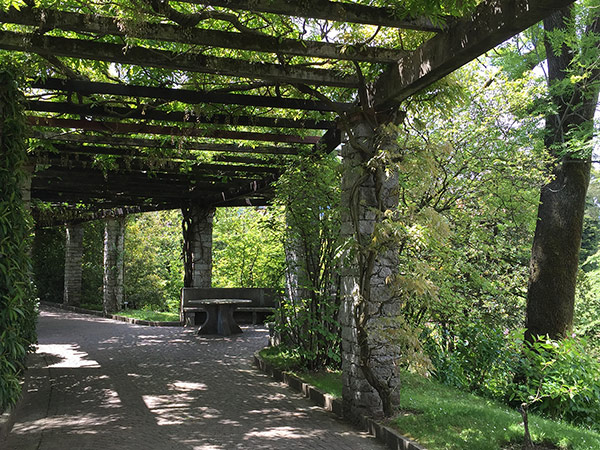
Newly built walls, pergolas and fences often stand out because their surfaces are still completely exposed. Climbing plants are one of the easiest ways to soften this effect.
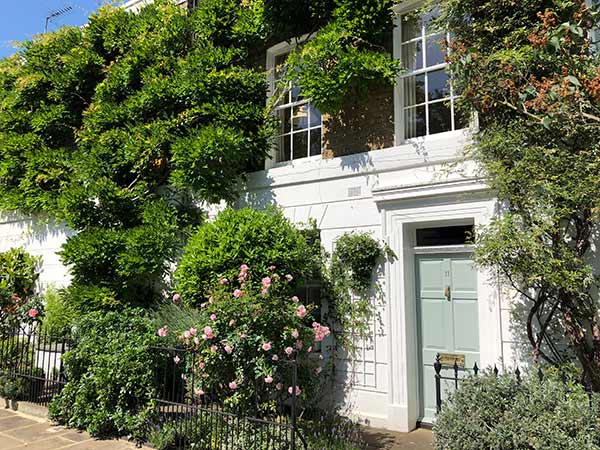
Evergreen climbers can provide year-round coverage, while flowering climbers such as roses, clematis and wisteria introduce colour and movement. Even partial coverage can make a newly constructed boundary look as though it has been part of the garden for considerably longer.
Planting shrubs close to walls and allowing foliage to overlap paths or hard landscaping slightly can achieve a similar effect.
Avoid Planting Too Evenly
A common feature of newly planted gardens is excessive neatness. Plants are evenly spaced, borders are clearly defined and every specimen appears separate from its neighbour.
Established gardens usually have more overlap.
Using groups of plants rather than isolated specimens creates fuller planting from the outset. Combining shrubs of different heights with grasses, perennials and ground-cover plants allows the layers to merge gradually.
This does not mean overcrowding plants or ignoring their eventual size. Instead, think about how the planting will look as a whole rather than treating every plant as an individual feature.
Give your Garden a Strong Focal Point
A mature garden often has one or two distinctive features that give it identity. A beautifully shaped tree, a pair of topiary specimens framing a path or an architectural evergreen can provide somewhere for the eye to settle and make the wider planting feel more purposeful.
Position is important. Think about the principal views through the garden, but also consider what you see from inside the house. A striking tree viewed through a kitchen or sitting-room window can provide interest throughout the year.
Invest in One Exceptional Specimen Plant
If budget allows, it can be worth investing in one truly distinctive mature specimen. These are the plants that give a garden individuality and can become more impressive as the years pass.
A beautifully shaped piece of mature topiary, an unusual specimen Japanese Acer with striking form and seasonal colour, or an old gnarled olive tree with a characterful trunk can provide an instant sense of age that is almost impossible to recreate with young plants.
The choice does not necessarily have to be large. Character is often more important than sheer size. Cloud-pruned trees, sculptural conifers, multi-stem specimens and unusual mature evergreens can all create a focal point around which the rest of the garden is designed. Choose something you genuinely love, give it enough space to be appreciated and consider the views of it from both the garden and the house.
The secret to making a new garden look established is therefore not simply to buy larger plants. It is to introduce the elements that naturally develop as gardens mature: height, structure, enclosure, layered planting and character.
A special specimen plant can then provide the finishing touch. Chosen carefully, it can become one of the defining features of a mature garden – something to enjoy now and yet still becomes even better with age.
Contact our team here at Paramount Plants for advice, tips and plant suggestions for adding a layer of maturity to your outdoor space.